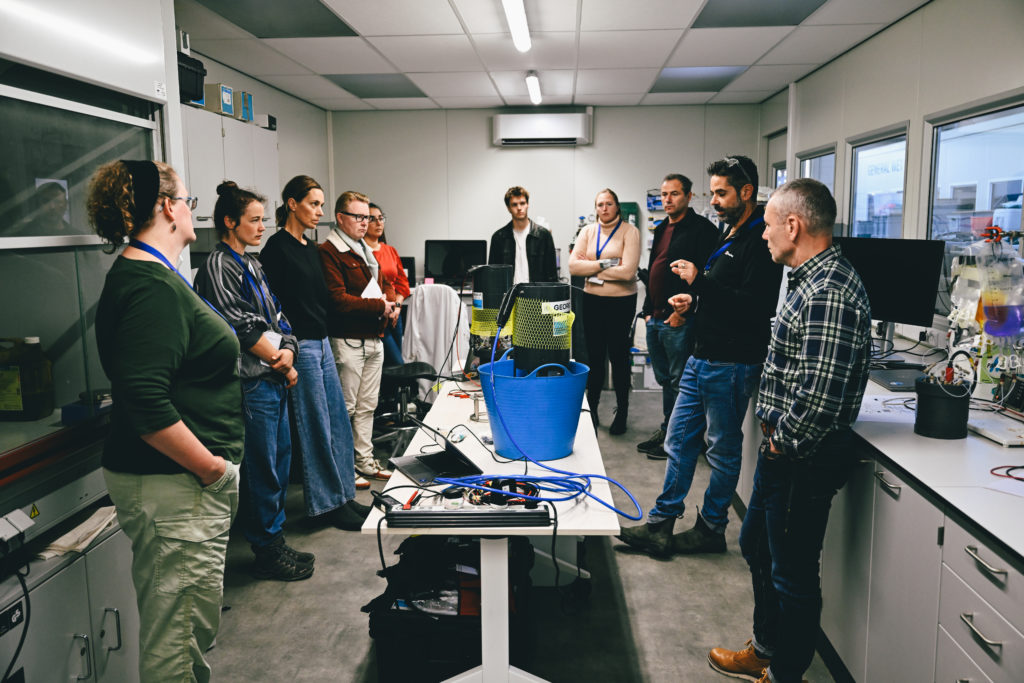

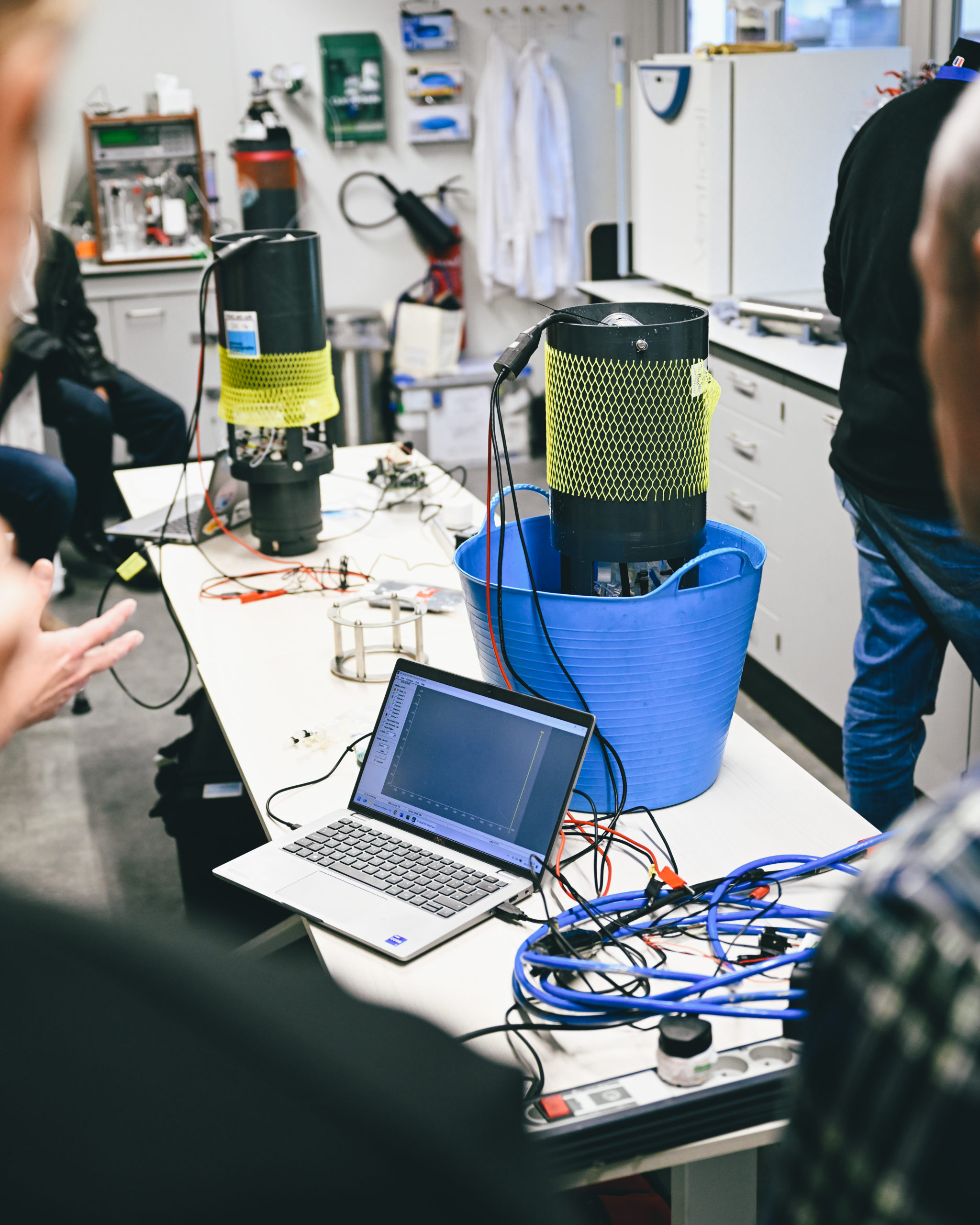
In this third part of this Q&A series, we interviewed Allison Schaap, Research Engineer at the National Oceanography Centre (NOC), who has worked on developing new autonomous sensors for total alkalinity and dissolved inorganic carbon. These sensors are currently the only ones that can measure carbon down to the bottom of the sea.
Read below how the sensors have been developed and optimised in GEORGE, and scroll down to watch the interview in video form.
Allison Schaap, Research Engineer, National Oceanography Centre
What is your role and what do you work on?
I’m a Research Engineer at the UK’s National Oceanography Centre. I work on developing sensors for total alkalinity and dissolved inorganic carbon, which are both essential for studying the ocean carbon system.
How has GEORGE supported the development of these sensors?
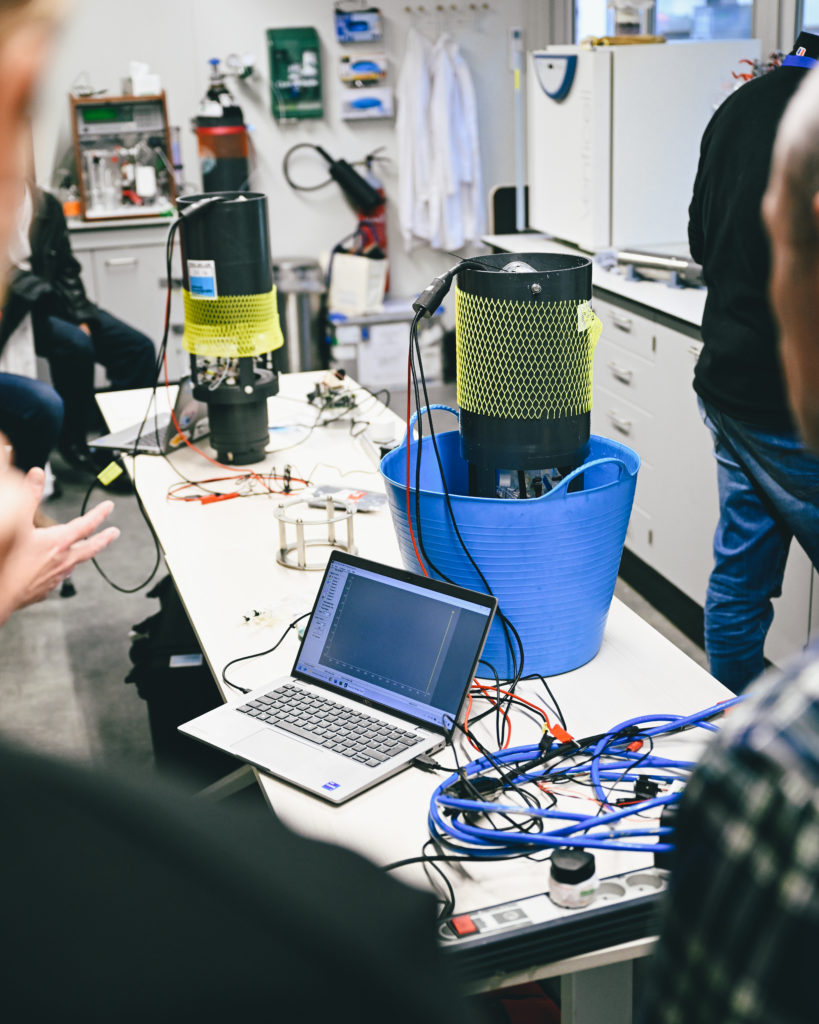
In the GEORGE project, we have focused on improving the analytical performance of these sensors and making them more reliable and user-friendly. This helps ensure they can be adopted by more scientists and provide higher-quality data.
What makes these sensors unique?
These are currently the only autonomous sensors that can be deployed all the way to the bottom of the sea. This allows us to target measurements that would otherwise not be possible to make autonomously in the ocean.
What comes next?
We have left some of the sensors deployed at the Porcupine Abyssal Plain site the Atlantic for a full year. Once they are recovered, we will evaluate how well they performed. After that, we will continue working on making them smaller, faster, and lower power so they can be used on a wider range of platforms.