
GEORGE has made significant progress in developing and testing new technologies for autonomous ocean observations. A project report, D5.2, Report describing data acquired from each field trial, prepared by EMSO ERIC, presents results from field trials conducted across European seas, demonstrating advances in sensor technologies and platform integration.
The field trials form an important part of GEORGE’s work to improve autonomous observations of ocean carbon chemistry, from the surface down to the seafloor. They provide an opportunity to evaluate how new technologies perform under real ocean conditions and assess their progress towards operational readiness.
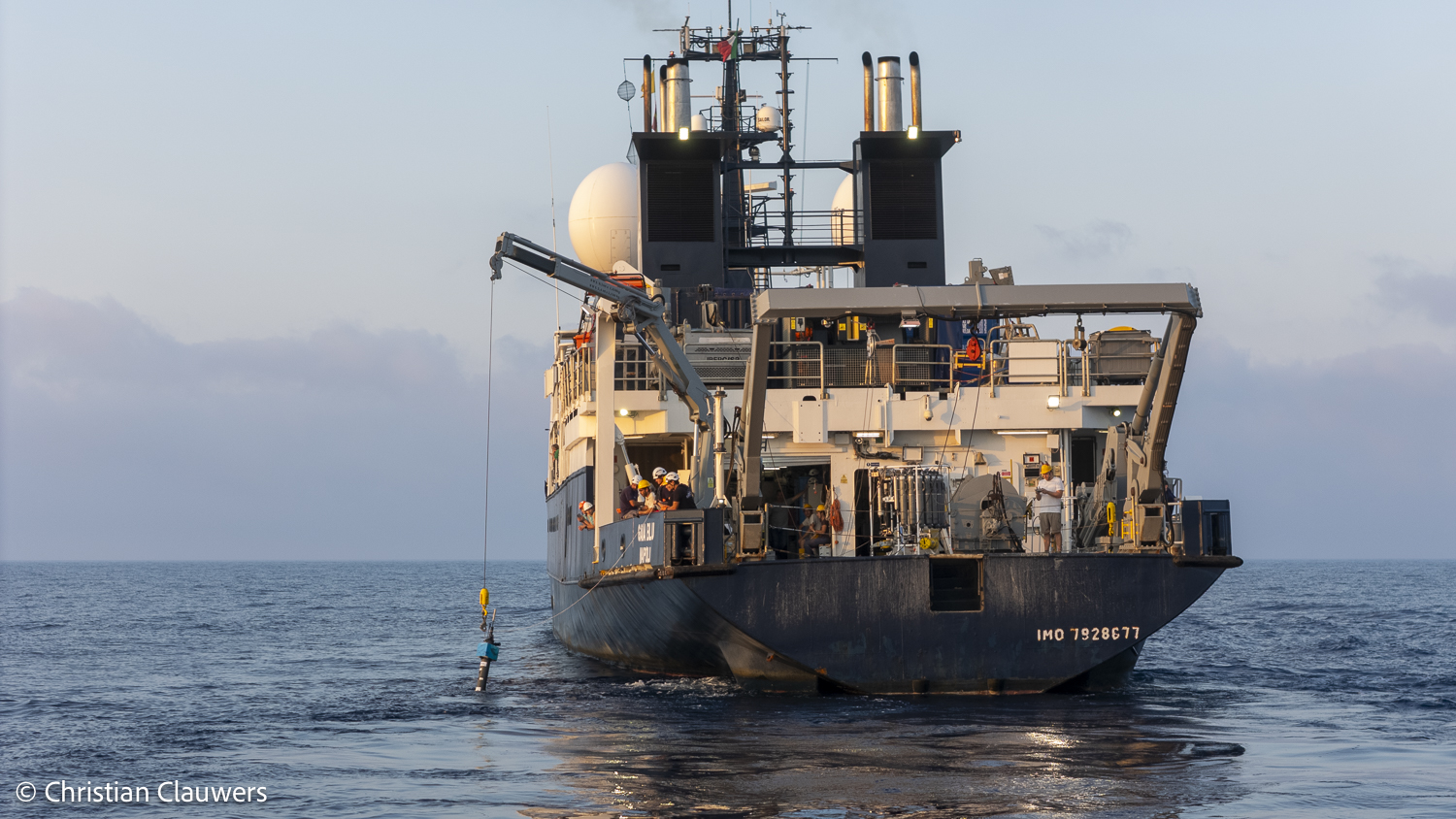
Throughout the project, field trials have taken place in the Norwegian Sea, Baltic Sea, North Atlantic, Mediterranean Sea and waters around the Canary Islands. They have involved a range of observing platforms, including Argo floats, underwater gliders, ships of opportunity, seafloor observatories and uncrewed surface vehicles, which have been integrated with autonomous sensors developed or optimised in GEORGE.
GEORGE ocean observing technologies are developed in WP2 Innovations in autonomous sensor and sampler technologies and WP3 Innovation on Ocean Platform Technologies. The WP5 Implementation and Demonstration ensures that they are tested in real ocean conditions.
Several technologies have reached important milestones
The EMSO Generic Instrument Module (EGIM) has been upgraded to accommodate additional ocean carbon chemistry measurements, including partial pressure of carbon dioxide (pCO2), methane (CH4), pH, total alkalinity and dissolved inorganic carbon. A field trial in the Norwegian Sea in 2024 demonstrated its capacity to integrate a pCO2 sensor at approximately 2,000 metres depth.
In the Mediterranean, a SeaExplorer glider equipped with CO2 and passive acoustic sensors demonstrated the feasibility of estimating air-sea CO2 fluxes from a single autonomous platform.
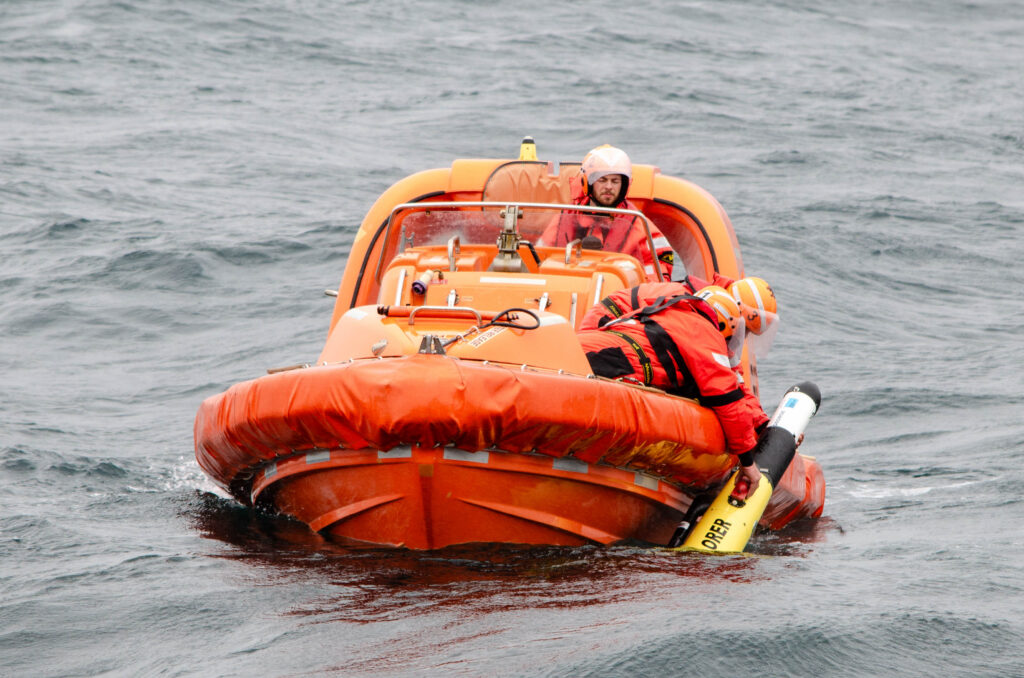
GEORGE partners have also successfully integrated a passive acoustic sensor into a BGC-Argo profiling float, enabling acoustic observations alongside measurements of ocean biogeochemistry. Two field campaigns successfully tested the sensor integration, and the report assesses the met-PAL sensor as having reached the highest Technology Readiness Level (TRL 9). The technology is commercially available through GEORGE partner NKE Instrumentation, and has been adopted by research organisations such as Consiglio Nazionale delle Ricerche (CNR) in Italy and Laboratoire d’Océanographie de Villefranche (LOV) in France for a deployment in the Pacific Ocean.
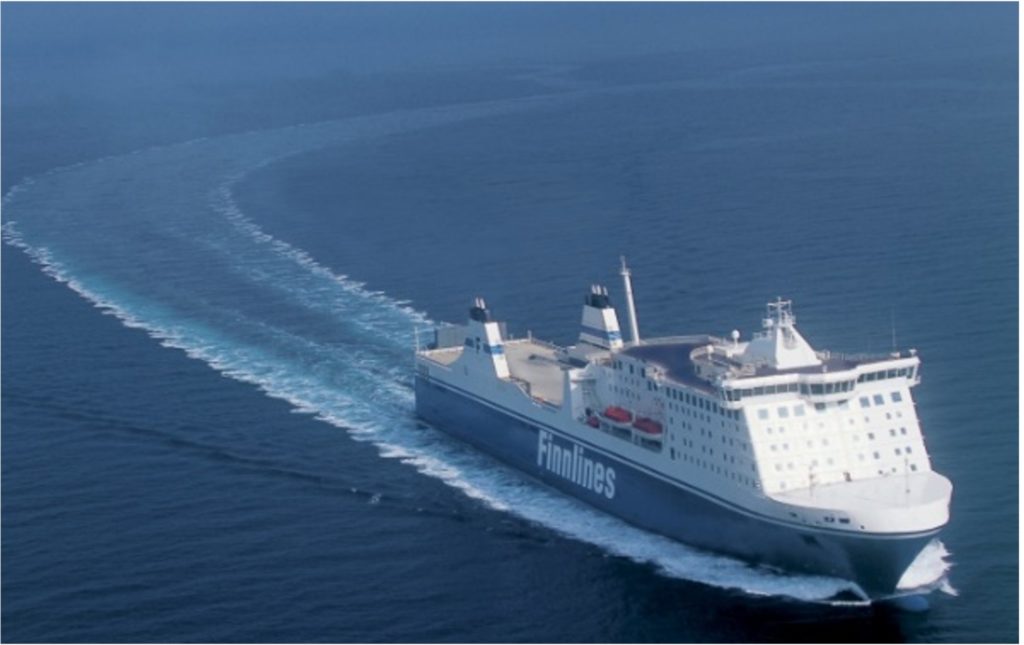
In the Baltic Sea, GEORGE partners Leibniz Institute for Baltic Sea Research Warnemünde (IOW) and 4H Jena Engineering successfully tested 4H Jena’s combined CO2/CH4 sensor in coastal settings, and field-checked the optimisation of their total alkalinity (TA) sensors in the brackish water conditions of the Baltic Sea. A new automated testing system, installed aboard the ICOS ship of opportunity station DE-SOOP Finnmaid, allows the performance of these sensors to be evaluated alongside long-term established ICOS surface ocean carbon measurements.
The report also details many other achievements, including successes in antifouling technologies. At the OBSEA coastal observatory in Spain, a novel antifouling solution for a CO2 sensor has also been successfully integrated and deployed, with further testing underway to evaluate its performance during long-term ocean observation
Further testing will continue during the final year of the project
While some technologies are already operationally mature, others require further testing and improvements. The extensive trials have provided valuable insights into sensor performance, data quality and the challenges of deploying new technologies in the ocean. They have also demonstrated the strength of collaboration among GEORGE partners across Europe.
The results are presented in GEORGE deliverable D5.2, Report describing data acquired from each field trial. Further testing, data analysis and demonstration activities will continue during the final year of the project, supporting the development of reliable technologies for long-term autonomous ocean observations.
Read the full report D5.2, Report describing data acquired from each field trial here.