

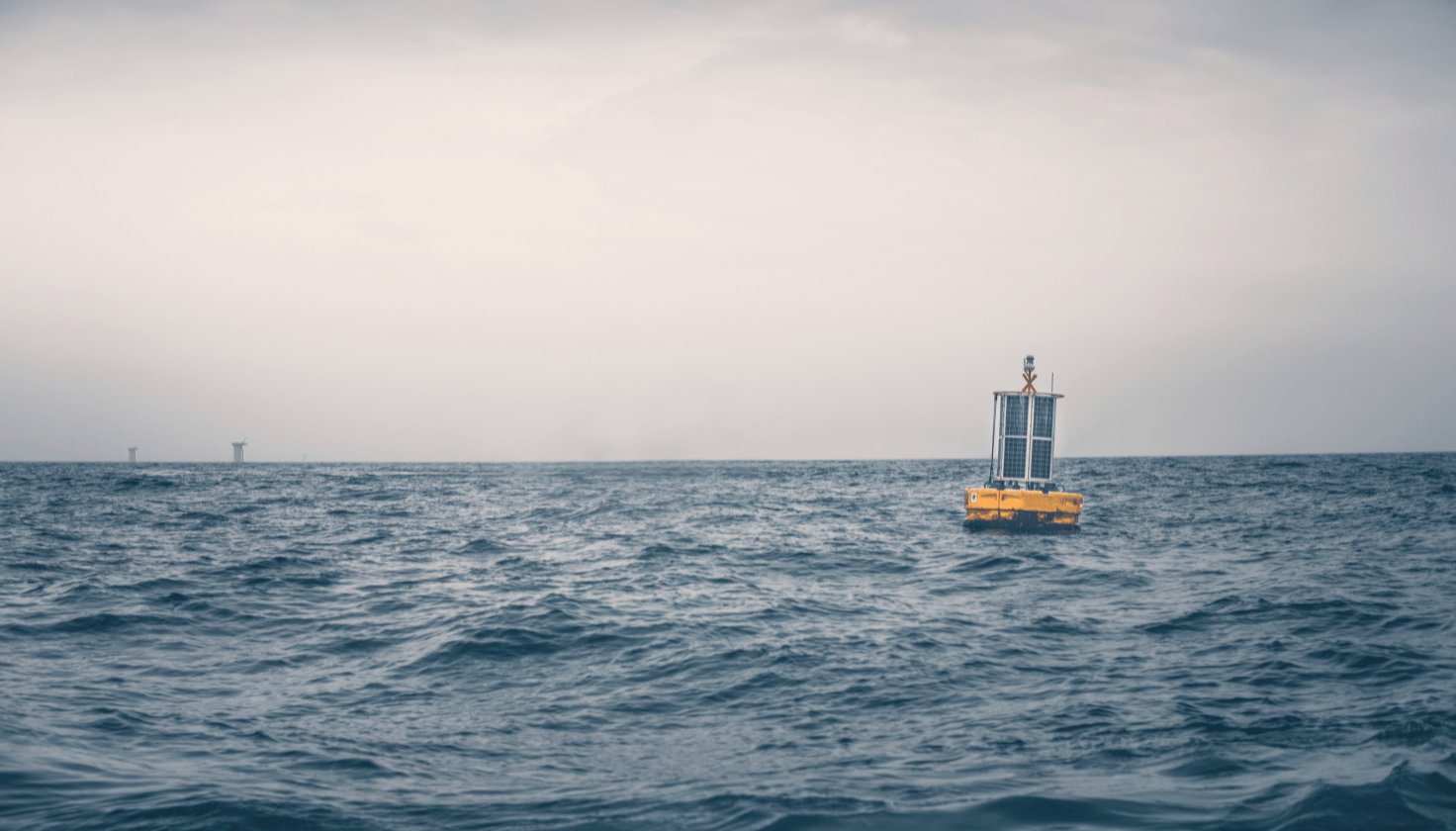
The European Digital Twin of the Ocean (EU DTO) is a flagship initiative by the European Commission aiming to create a digital replica of the ocean to help policymakers, businesses and citizens better understand, conserve and manage the ocean. GEORGE has been among dozens of other Horizon Europe projects co-designing and developing the platform.
A digital twin is a digital representation of real-world entities or processes. The European Commission has been investing around 15 million euros annually to the European Digital Twin of the Ocean, or EU DTO, since 2021. The development has been done through Horizon Europe projects such as EDITO-Infra and EDITO-Model Lab, with several other projects contributing. GEORGE has contributed to the development through participation in their annual Digital Ocean Forums.
The core infrastructure of the digital twin, called EDITO, is now an operational beta platform, that’s intended for testing by ocean modellers and domain experts. The latest forum, held in November 2025, was described as a key milestone in the co-development of the EU Digital Ocean platform.
Quality ocean carbon data is needed
EDITO currently uses data from two main data services: in situ data from the EMODnet database and modelling and satellite data assimilation data from Copernicus Marine Service. These two form what’s called the EDITO-Infra “Data Lake.” Ocean carbon data, including ICOS quality controlled in situ ocean data, ends up on the EDITO platform through EMODnet, which uses automated queries to pool data from other data portals.
“GEORGE contributes to the European Digital Twin of the Ocean primarily by improving data quality at source, and extending observations to new platforms and undersampled regions. These innovations will benefit EDITO through more and better data”, says Janne-Markus Rintala from ICOS.
Data quality was a focus for the last Digital Ocean Forum 2025, EDITO’s most recent development forum, which was attended by John Allen from MyOcean Resources on behalf of GEORGE.
“There is an exciting connectivity to all this that I have rarely experienced before”, Allen comments. “EDITO should not be thought of as just one model: it provides a platform, currently behind all of the forecasting and hindcasting products that you see on the Copernicus browser, and open to new data, applications and models, from all validated sources that wish to register at edito.eu.”
“I will be interested to learn what EDITO can tell us about the regions that most need observation?, and what is the impact of observation quality on data assimilation? ”, he continues.
Rintala emphasised that improving model performance depends directly on the quality and coverage of observations: “Any of these simulations are only as good as our real-time measurements, but we only have measurements in a small fraction of the grid cells used in global models.”
“Filling this data gap through improved technologies is exactly what we wish to achieve in GEORGE.”