

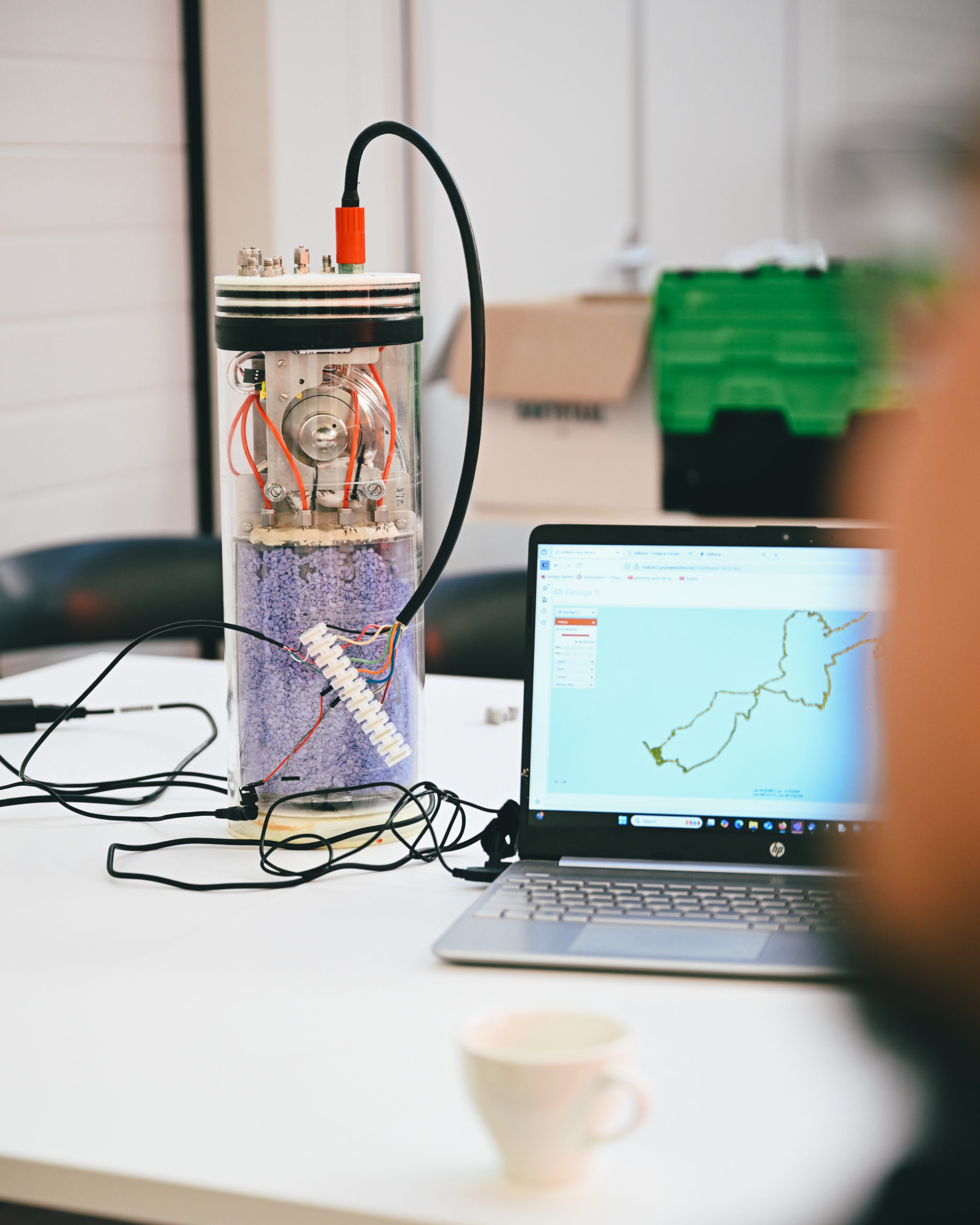
GEORGE brings together some of Europe’s leading technology developers in autonomous ocean carbon observing technologies. Partners such as 4H-Jena Engineering, ClearWater Sensors, the National Oceanography Centre, and the University of Exeter are developing and advancing novel technologies within the project. In the first part of this Q&A series, we spoke to Witold Tatkiewicz, a Research Technician from University of Exeter, about the CaPASOS instrument.
The CaPASOS system is a compact instrument for surface pCO₂ measurements, developed in GEORGE by University of Exeter. Read below how the system has been developed and optimised in GEORGE.
Q&A with Witold Tatkiewicz, Research Technician, University of Exeter
What is your research focus?
I work at the University of Exeter on the marine carbon cycle and on developing instruments for autonomous pCO₂ measurements.
What is the CaPASOS system?
We are developing the CaPASOS system, a compact pCO₂ measurement instrument designed to be deployed on uncrewed surface vehicles (USVs). The instrument has got its name from the project through it was first developed, and now we are 5 to 7 years into development.
How has GEORGE contributed to its development?
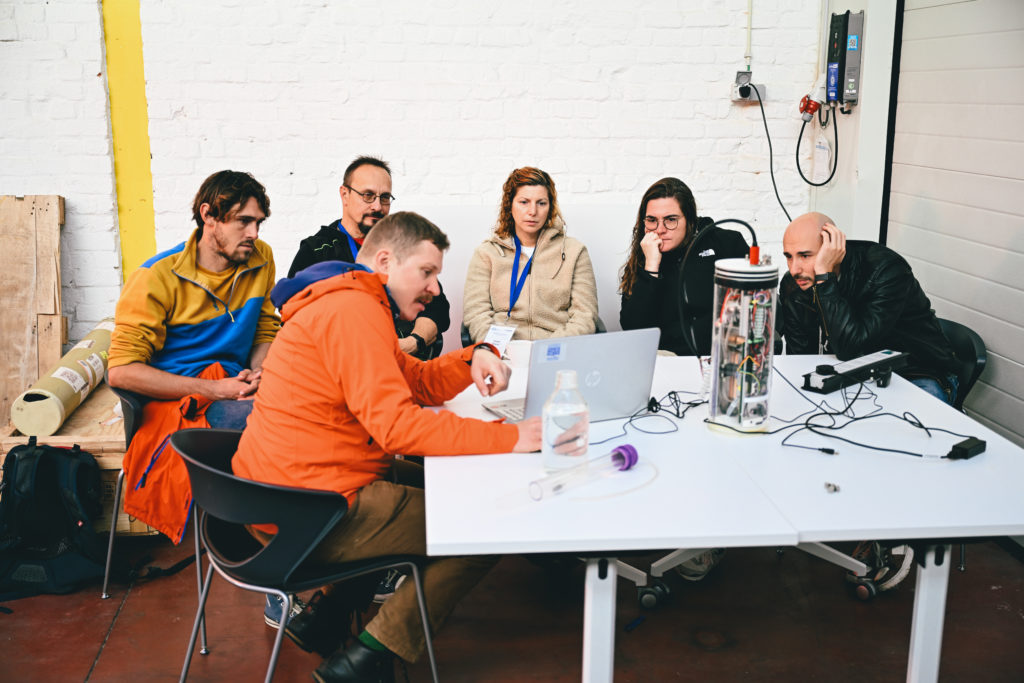
Through GEORGE, we were able to send the instrument on its maiden voyage on a Sailbuoy platform. It travelled over 1,000 km offshore from the coast of Ireland, where we carried out simultaneous measurements alongside a reference CO₂ system to evaluate its performance.
What makes CaPASOS unique?
CaPASOS has a very small footprint and low power consumption, which allows it to be installed in very tight spaces on a wide range of platforms without compromising data quality.
What are the next development goals?
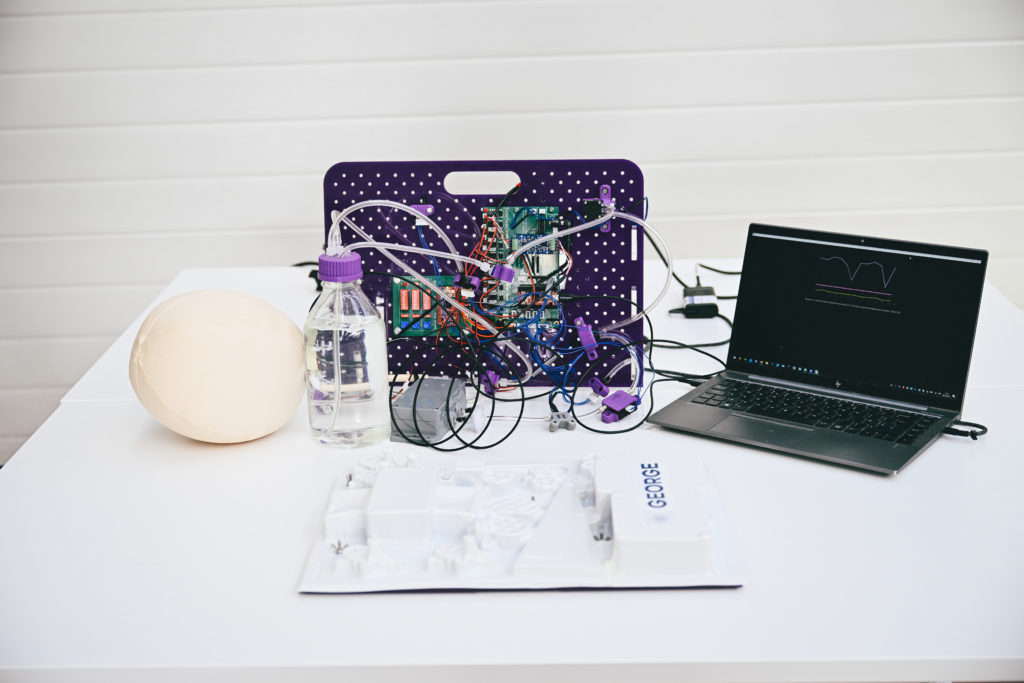
The next major challenge is a long-term deployment in the Southern Ocean under very harsh conditions, particularly during winter, where there is currently a lack of data. We are also exploring the idea of developing a smaller test-bed version to allow wider community involvement in pCO₂ measurements.
Learn more CaPASOS’ first voyage to the Porcupine Abyssal Plain (PAP) site in June 2025.